
Before You Renovate: Five Interior Design Decisions That Save Time and Budget
- Oct 23, 2025
- 2 min read
Renovating a home is both an exciting and complex process. While inspiration often begins with mood boards and material samples, the success of a project is determined long before the first wall is painted. Early, thoughtful design decisions have the greatest impact on both the budget and the final result. At Seam Design Studio, we believe that intentional planning transforms a renovation from a logistical challenge into a seamless creative journey.
Below are five key design considerations that consistently help clients save time, avoid unnecessary costs, and achieve lasting results.
1. Start with a Space Plan, Not Just a Vision
Every successful renovation begins with a clear spatial strategy. Before selecting finishes or fixtures, evaluate how each room should function and flow. Proper space planning defines circulation, natural light, and furniture placement, ensuring that every square foot serves a purpose.A measured floor plan also prevents costly revisions during construction by identifying structural or mechanical constraints early on. The result is a layout that feels intuitive, balanced, and tailored to your lifestyle.
2. Define a Cohesive Material Palette Early
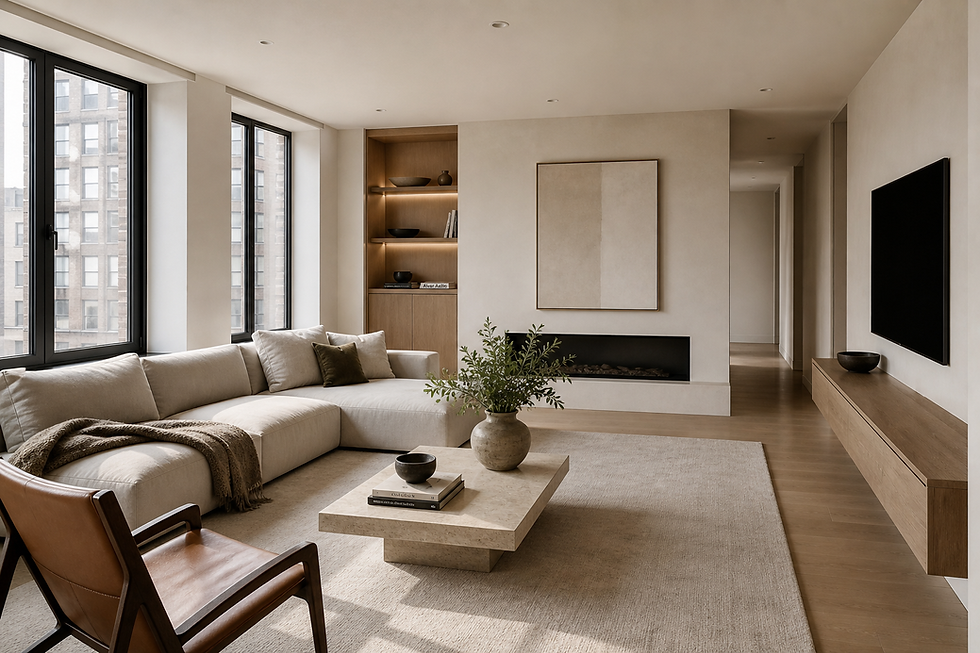
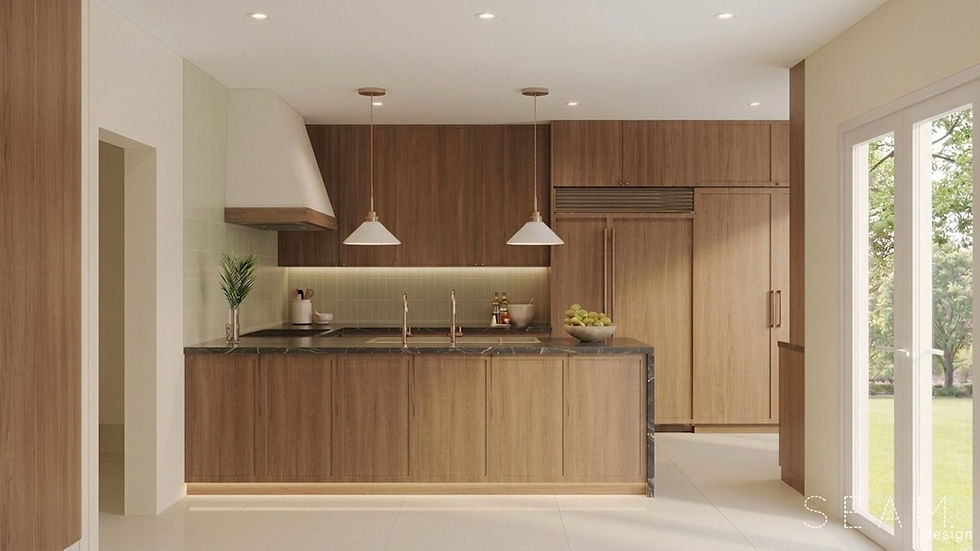
Selecting materials at the right stage is critical. Clients often fall in love with individual finishes, only to discover later that they compete rather than harmonize. Establishing a cohesive palette—encompassing flooring, cabinetry, stone, and textiles, creates visual continuity and simplifies decision-making.Early coordination with fabricators and vendors also helps manage lead times and pricing, minimizing project delays. The earlier the palette is set, the smoother the procurement process becomes.
3. Prioritize Lighting Design
Lighting has the power to shape the atmosphere of a home. Yet it is frequently treated as an afterthought. Integrating lighting design during the early planning stage allows for proper electrical layouts, recessed details, and fixture selections that complement architectural intent.Layering ambient, task, and accent lighting ensures both functionality and aesthetic warmth. Investing in a lighting plan upfront can eliminate expensive change orders later and elevate the finished environment dramatically.
4. Coordinate Millwork and Built-Ins Before Construction
Custom millwork and built-ins require precision. Designing these elements before construction begins allows coordination between design, electrical, and HVAC systems. When cabinetry, shelving, and paneling are detailed early, the build process becomes more efficient and avoids costly modifications in the field.Moreover, pre-designed millwork supports spatial coherence, ensuring that proportion and materiality remain consistent throughout the project.
5. Align Budget with Design Intent
A transparent budget aligned with design intent is the foundation of a successful renovation. Discussing cost parameters at the concept phase allows for informed choices about where to allocate resources, whether toward architectural upgrades, artisan finishes, or key statement pieces.Working with a designer helps anticipate hidden expenses such as delivery, installation, and material overages. With thoughtful budgeting, the design vision can be realized without compromising quality or schedule.
Final Thoughts
Renovation is not only about transformation, it is about strategy. By making deliberate decisions at the outset, homeowners can protect their investment and experience a smoother, more enjoyable process. At Seam Design Studio, our role is to guide clients through these pivotal stages with clarity, precision, and creativity, ensuring that every project is both efficient and beautifully resolved.
If you are planning a renovation and would like to explore how early design planning can streamline your project, we invite you to schedule a consultation with our team.


Comments